Travmanın Bedensel Hafızası Nasıl Çözülür?
Bazı deneyimler yalnızca zihinde değil, bedenin kendisinde iz bırakır. Kişi yaşadığı travmatik olayı zihinsel olarak hatırlamasa bile; beden hâlâ tetikte olabilir. Aniden gelen kas gerginliği, açıklanamayan ağrılar, nefes darlığı ya da yoğun bir huzursuzluk hissi…
Psikoloji literatüründe bu durum travmanın bedensel hafızası olarak ele alınır.
Travmanın Bedensel Hafızası Nedir?
Travmatik yaşantılar sırasında sinir sistemi, hayatta kalmaya odaklanır. Bu süreçte beden; kaç, savaş ya da don tepkilerinden birini devreye sokar. Tehlike geçse bile, eğer deneyim yeterince işlenemezse, beden bu savunma tepkisini hafızasında tutmaya devam eder.
Bu nedenle travma sonrası belirtiler yalnızca düşünce ve duygularla değil; bedensel duyumlar aracılığıyla da kendini gösterir.
Travma Bedende Nasıl Saklanır?
Araştırmalar, travmanın özellikle otonom sinir sistemi üzerinden bedende iz bıraktığını göstermektedir.
Bu durum şunlara yol açabilir:
- Sürekli kas gerginliği
- Nefes alma düzeninde bozulma
- Mide-bağırsak şikayetleri
- Kalp çarpıntısı
- Donukluk ya da bedenden kopukluk hissi
Kişi çoğu zaman bu belirtileri “nedensiz” olarak tanımlar. Oysa beden, geçmişte yaşanan bir tehdide hala yanıt vermeye çalışmaktadır.
Travmanın Bedensel Hafızası Neden Çözülmez?
Travma sırasında bedenin verdiği tepkiler çoğu zaman tamamlanamaz. Kaçmak, kendini savunmak ya da donmak zorunda kalan beden, bu süreci sonlandıramaz.
Zihinsel farkındalık tek başına yeterli olmadığında, beden tehdidin hala sürdüğünü varsayar.
Bu nedenle “geçtiğini biliyorum ama bedenim rahatlamıyor” ifadesi, travma sonrası süreçte oldukça yaygındır.
Bedensel Hafıza Nasıl Çözülür?
Travmanın bedensel hafızasının çözülmesi, bedeni zorlamakla değil; güvenli bir regülasyon süreciyle mümkündür. Psikolojik danışmanlık sürecinde amaç, bedene yeniden güvenli deneyimler sunmaktır.
Bilimsel çalışmalar;
- beden farkındalığı,
- duyusal regülasyon,
- güvenli terapötik ilişki
gibi yaklaşımların sinir sistemini yatıştırmada etkili olduğunu göstermektedir.
Buradaki temel hedef, bedene “tehlike geçti” bilgisini sözel değil, deneyimsel olarak iletebilmektir.
Ne Zaman Destek Almak Gerekir?
Eğer siz:
- Bedensel belirtileriniz için tıbbi bir neden bulunamadıysa
- Geçmişte yaşanan olaylar bedeninizde hâlâ tetikleniyorsa
- Sürekli tetikte, donuk ya da huzursuz hissediyorsanız
bu, travmanın bedensel boyutunu ele almak için uygun bir zaman olabilir.
Unutulmamalıdır ki; beden hatırlar ama aynı zamanda iyileşmeyi de öğrenebilir.
How Is the Body Memory of Trauma Released?
Some experiences leave traces not only in the mind but in the body itself. Even if a person does not consciously remember the traumatic event, the body may still remain on alert. Sudden muscle tension, unexplained pain, shortness of breath, or an intense sense of restlessness…
In psychological literature, this phenomenon is referred to as the body memory of trauma.
What Is the Body Memory of Trauma?
During traumatic experiences, the nervous system focuses on survival. In this process, the body activates one of the fight, flight, or freeze responses. Even after the danger has passed, if the experience cannot be sufficiently processed, the body continues to hold this defensive response in its memory.
For this reason, post-traumatic symptoms manifest not only through thoughts and emotions, but also through bodily sensations.
How Is Trauma Stored in the Body?
Research shows that trauma leaves its imprint on the body primarily through the autonomic nervous system.
This may lead to:
- Chronic muscle tension
- Disruptions in breathing patterns
- Gastrointestinal complaints
- Heart palpitations
- Feelings of numbness or disconnection from the body
Individuals often describe these symptoms as “unexplainable.” Yet the body is still trying to respond to a threat experienced in the past.
Why Doesn’t the Body Memory of Trauma Resolve?
During trauma, the body’s defensive responses are often left incomplete. A body that is forced to flee, defend itself, or freeze cannot fully complete these actions.
When cognitive awareness alone is insufficient, the body continues to assume that the threat is ongoing.
For this reason, the statement “I know it’s over, but my body can’t relax” is very common in post-traumatic processes.
How Is Body Memory Released?
Releasing the body memory of trauma is not achieved by forcing the body, but through a safe process of regulation. In psychological counseling, the goal is to provide the body with new experiences of safety.
Scientific studies show that approaches such as:
- body awareness,
- sensory regulation,
- a secure therapeutic relationship
are effective in calming the nervous system.
The primary aim is to convey to the body that “the danger has passed” not verbally, but experientially.
When Should You Seek Support?
If you:
- have physical symptoms for which no medical cause can be found,
- continue to feel bodily triggered by past experiences,
- feel constantly on alert, numb, or restless,
this may be an appropriate time to address the somatic dimension of trauma.
It is important to remember: the body remembers, but it can also learn how to heal.
Kaynakça
- van der Kolk, B. A. (2014). The body keeps the score: Brain, mind, and body in the healing of trauma. Viking.
- Porges, S. W. (2011). The polyvagal theory: Neurophysiological foundations of emotions, attachment, communication, and self-regulation. W. W. Norton & Company.
- Ogden, P., Minton, K., & Pain, C. (2006). Trauma and the body: A sensorimotor approach to psychotherapy. W. W. Norton & Company.
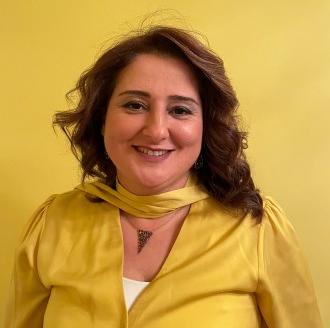
Yazar Hakkında
Uzm. Psikolog Burçin Demirkan
Çocuk, genç ve yetişkin psikolojisi üzerine çalışmalarını sürdüren Burçin Demirkan; bireylerin içsel motivasyon kaynaklarını keşfetmeleri, öğrenme süreçlerini optimize etmeleri ve akademik/sosyal başarıyı engelleyen psikolojik bariyerleri aşmaları konusunda uzmanlaşmıştır. Özellikle modern çağın getirdiği değişimlere adaptasyon ve okuma/anlama güçlükleri (disleksi vb.) alanlarında profesyonel danışmanlık sunan Demirkan, Çocuk Aile Danışmanlığı Enstitüsü çatısı altında ailelerin ve çocukların potansiyellerini en üst seviyeye çıkarmak amacıyla pedagojik ve psikolojik danışmanlık faaliyetlerini yürütmektedir.
About the Author
Specialist Psychologist Burçin Demirkan
Burçin Demirkan, who continues her work in child, adolescent, and adult psychology, specializes in helping individuals discover their intrinsic motivation sources, optimize their learning processes, and overcome psychological barriers that hinder academic and social success. She provides professional counseling particularly in adaptation to the changes of the modern era and reading/comprehension difficulties (such as dyslexia). Under the umbrella of the Child & Family Counseling Institute, she conducts pedagogical and psychological counseling services aimed at maximizing the potential of families and children.